
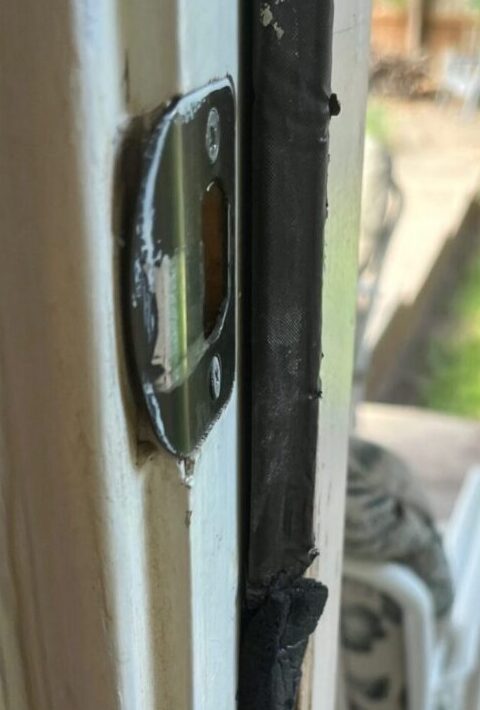
Sealing Your Home: Stop Drafts and Cut Cooling Cost
As temperatures climb I start to look around my house at what I can do to lower my electric bill and keep my house cooler. If your home isn’t sealed properly cool air that you are paying for is just going out the window (literally). Drafts and air leaks are silent energy wasters, causing your utility bills to rise without you even realizing it.
The good news? Sealing your home is one of the easiest and most cost effective ways to improve energy efficiency and loser your cooling costs. Here’s how to do it yourself without hiring a professional.
Why Sealing Matters
- Keeps cool air in during summer and warm air in during winter
- Reduces monthly utility bills
- Lowers your carbon footprint
- Extends the life of your HVAC system
- Identify the Leaky Areas
Before you can seal your home, you need to know where air is escaping.
Common spots are:
- Doors and Windows
- Baseboards and trim
- Attic entrance
- Electrical outlets and switches
- Dryer vents
- Recessed lighting
- Fireplace dampers
2. Weatherstripping Doors and Windows
Weatherstripping is your first line of defense against drafts.
You can add weatherstripping (and replace worn out weatherstripping) with
•Adhesive-backed foam weatherstripping
•Rubber or vinyl weatherstripping
•Door sweeps
3. Caulking Cracks and Gaps
Use caulk for small cracks especially around:
- Window frames
- Baseboards
- Exterior gaps where siding meets brick or window trim
- Don’t forget attics and basements
4. Upgrade or Add Insulation
If your home still feels drafty after sealing, it may need more insulation. Focus on:
- Attic floors
- Walls adjacent to un-air-conditioned
- Crawlspaces
Batt or blown-in insulation can significantly reduce cooling costs in the long run
5. Use Curtains and Window Films
Once you’ve sealed the cracks, take it a step further
- Use blackout or thermal curtains to block out heat.
- Apply reflective or tinted window films to reduce UV and and sun from coming in
Final Thoughts: Save Now, Stay Comfortable Later
Sealing your home isn’t just a weekend project, it’s an investment in comfort, energy efficiency, and lower utility bills. With a little effort and basic supplies, you can create a tighter, more energy efficient home that stays cooler for less